I wasted time, and now doth time waste me
W. Shakespeare
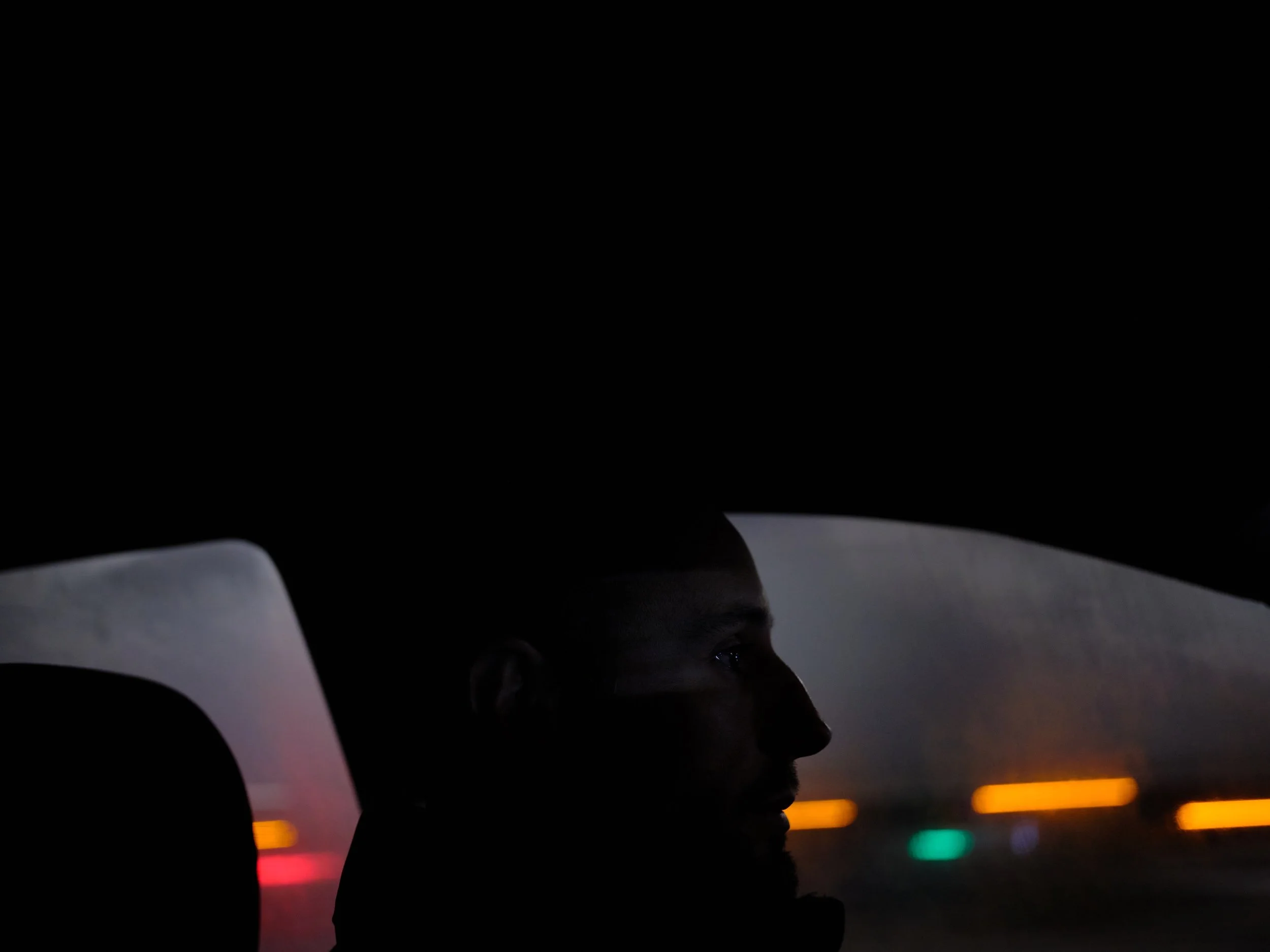
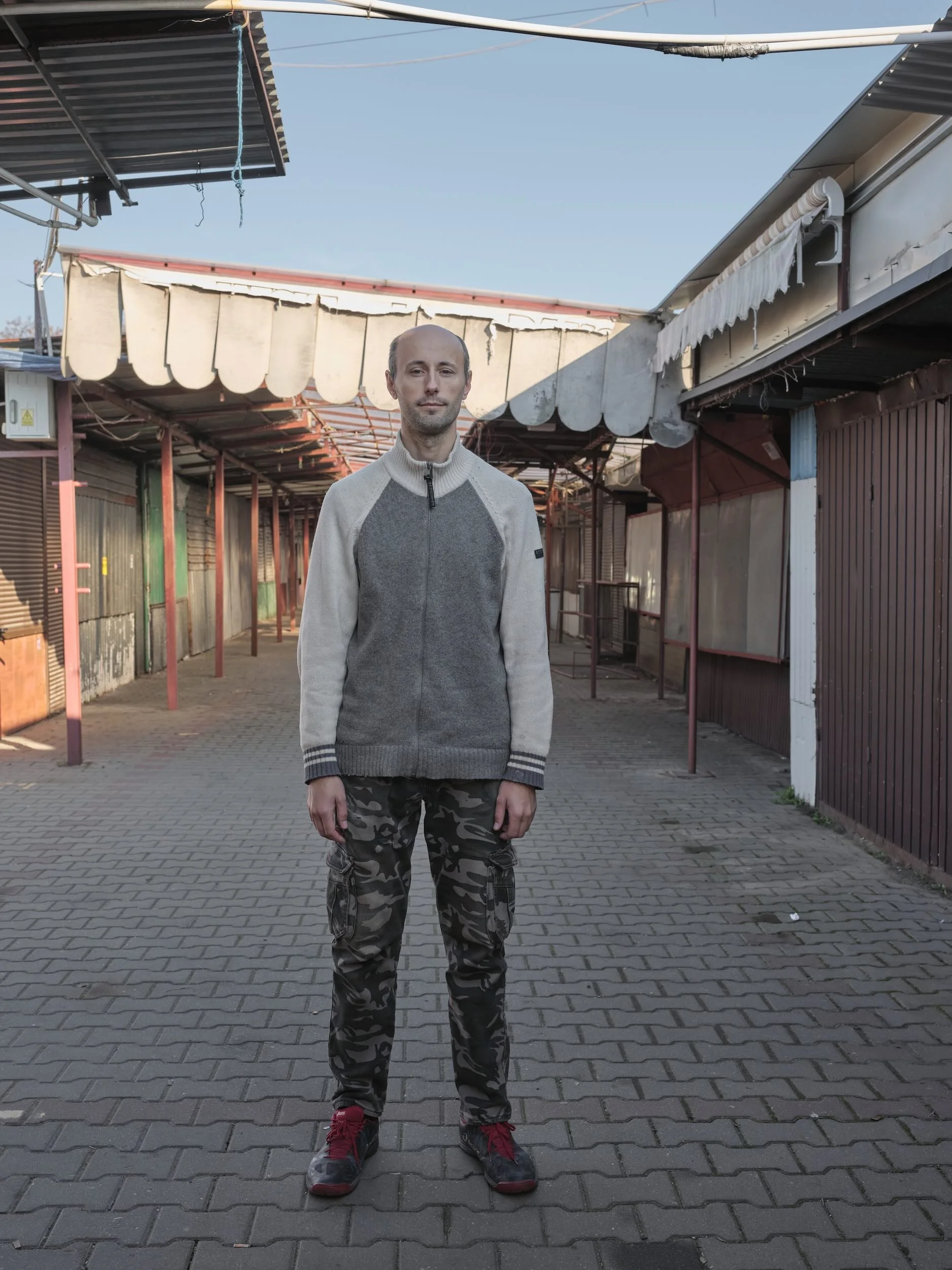
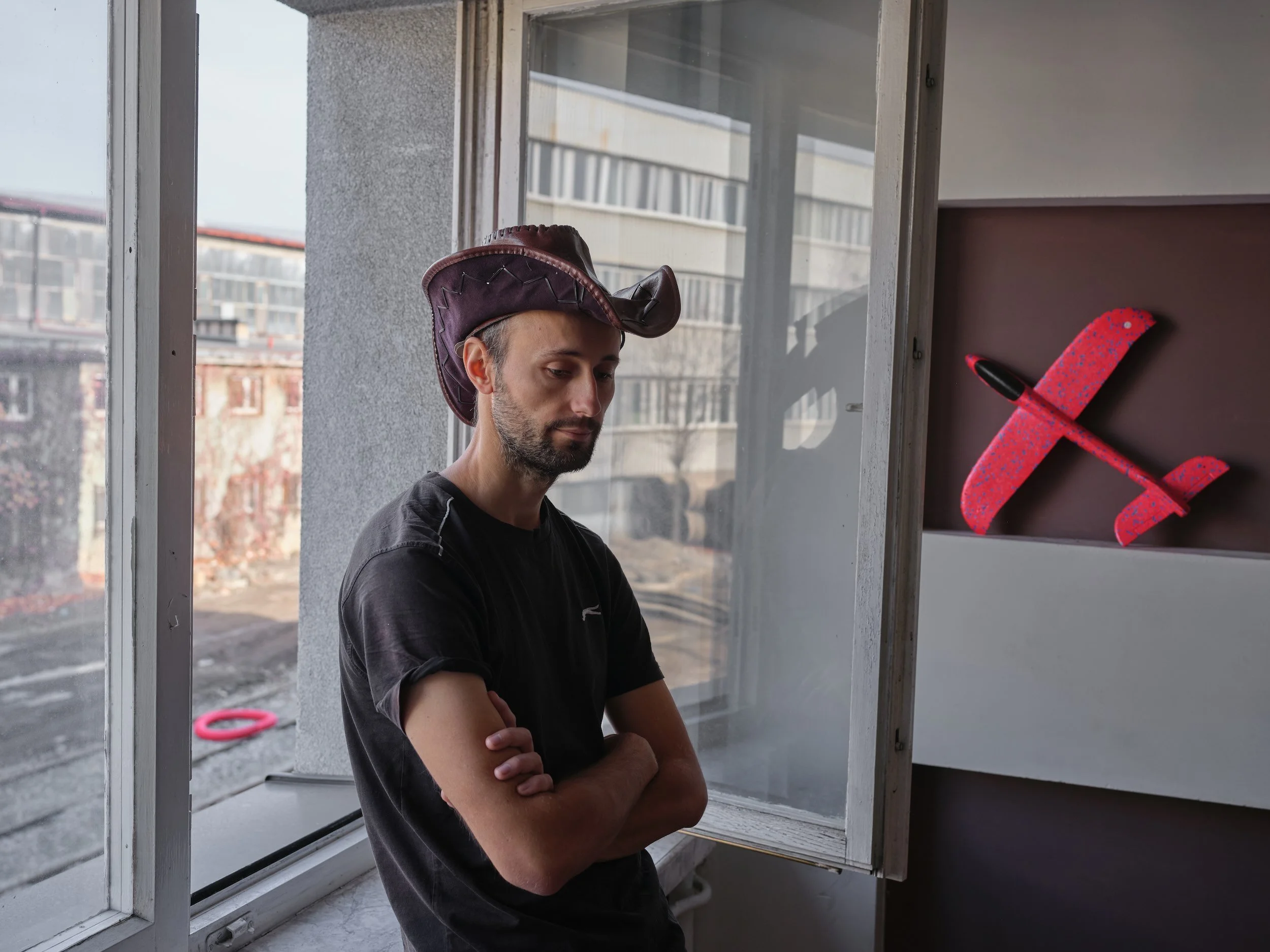
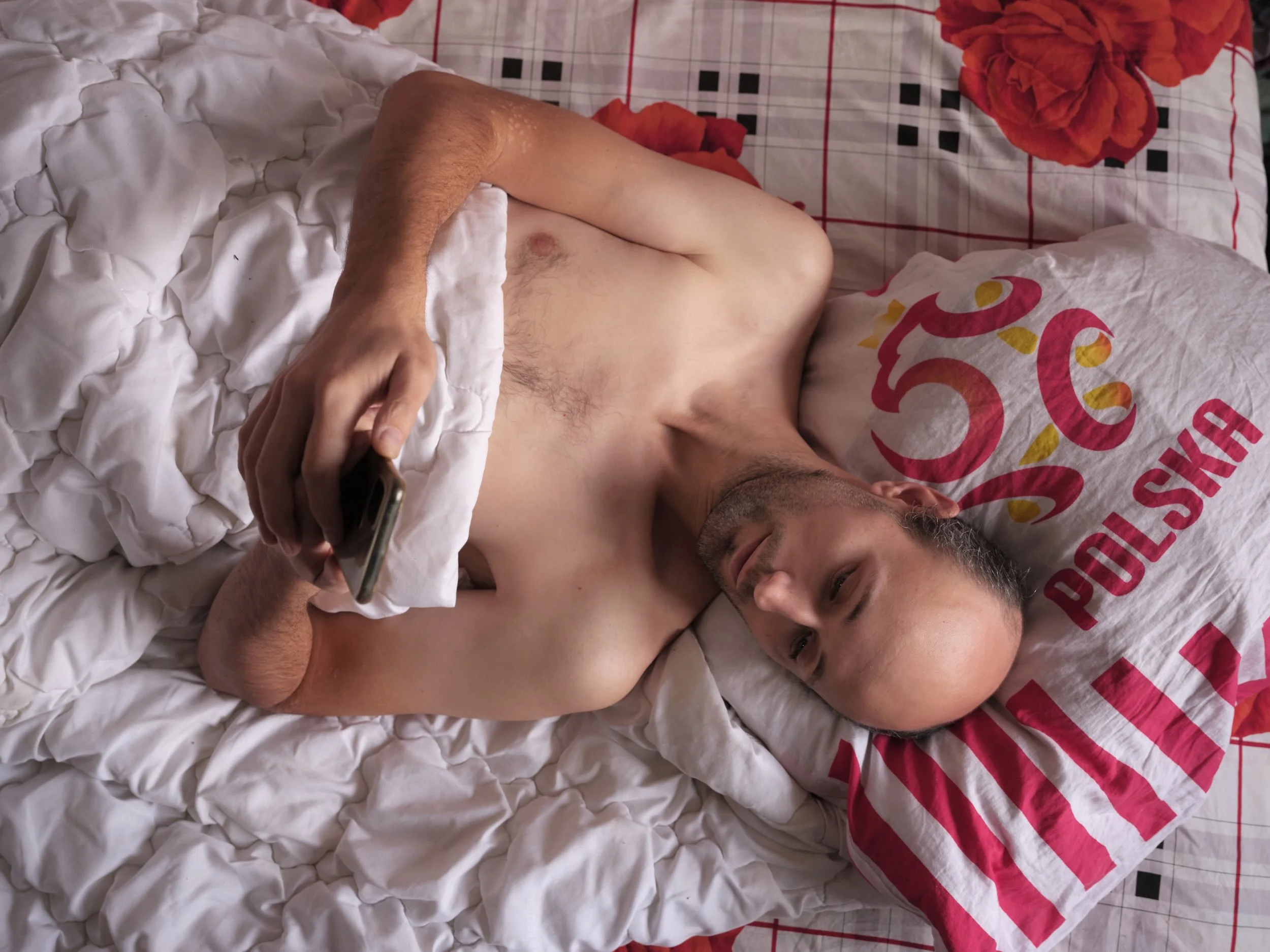
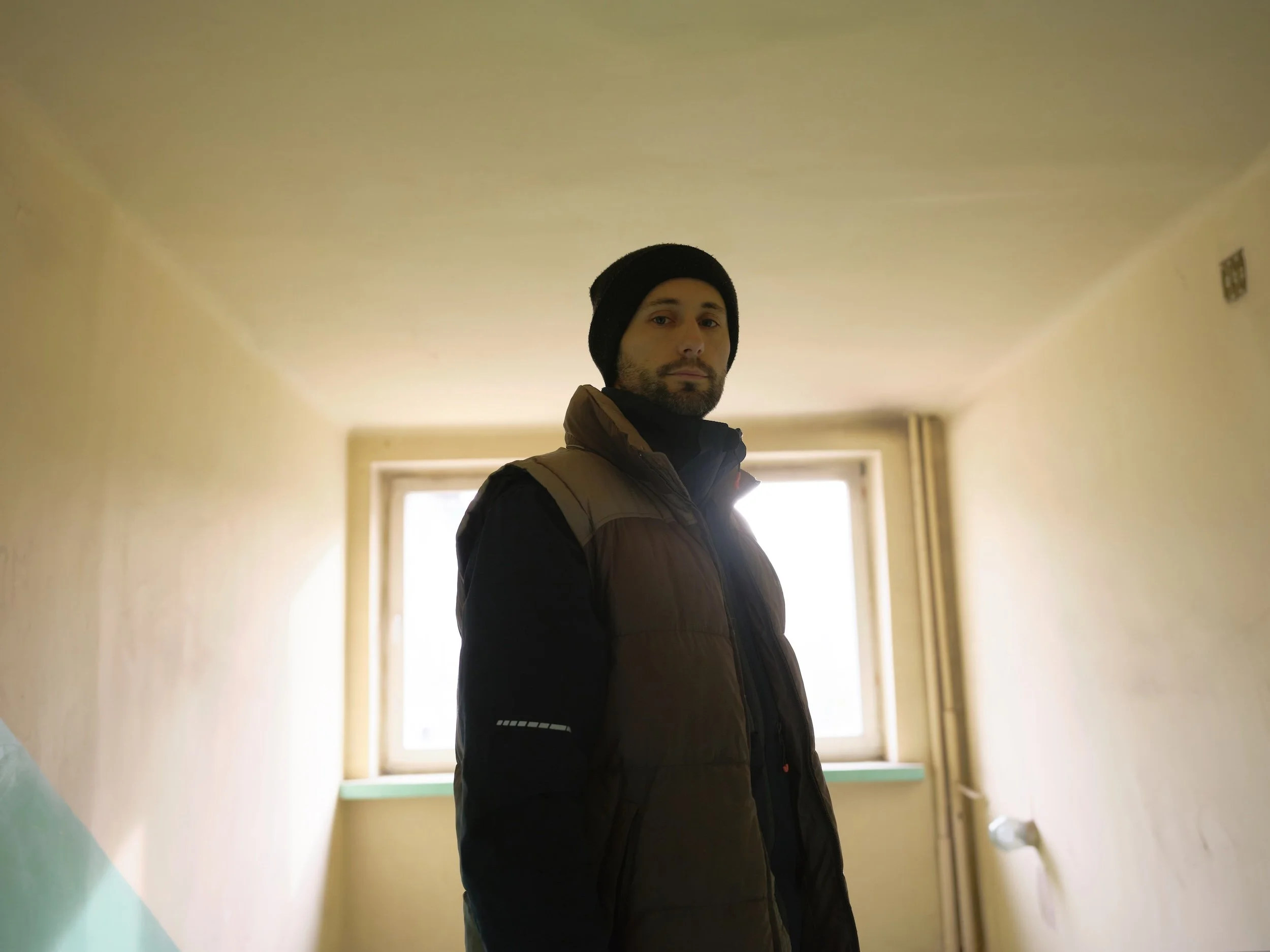
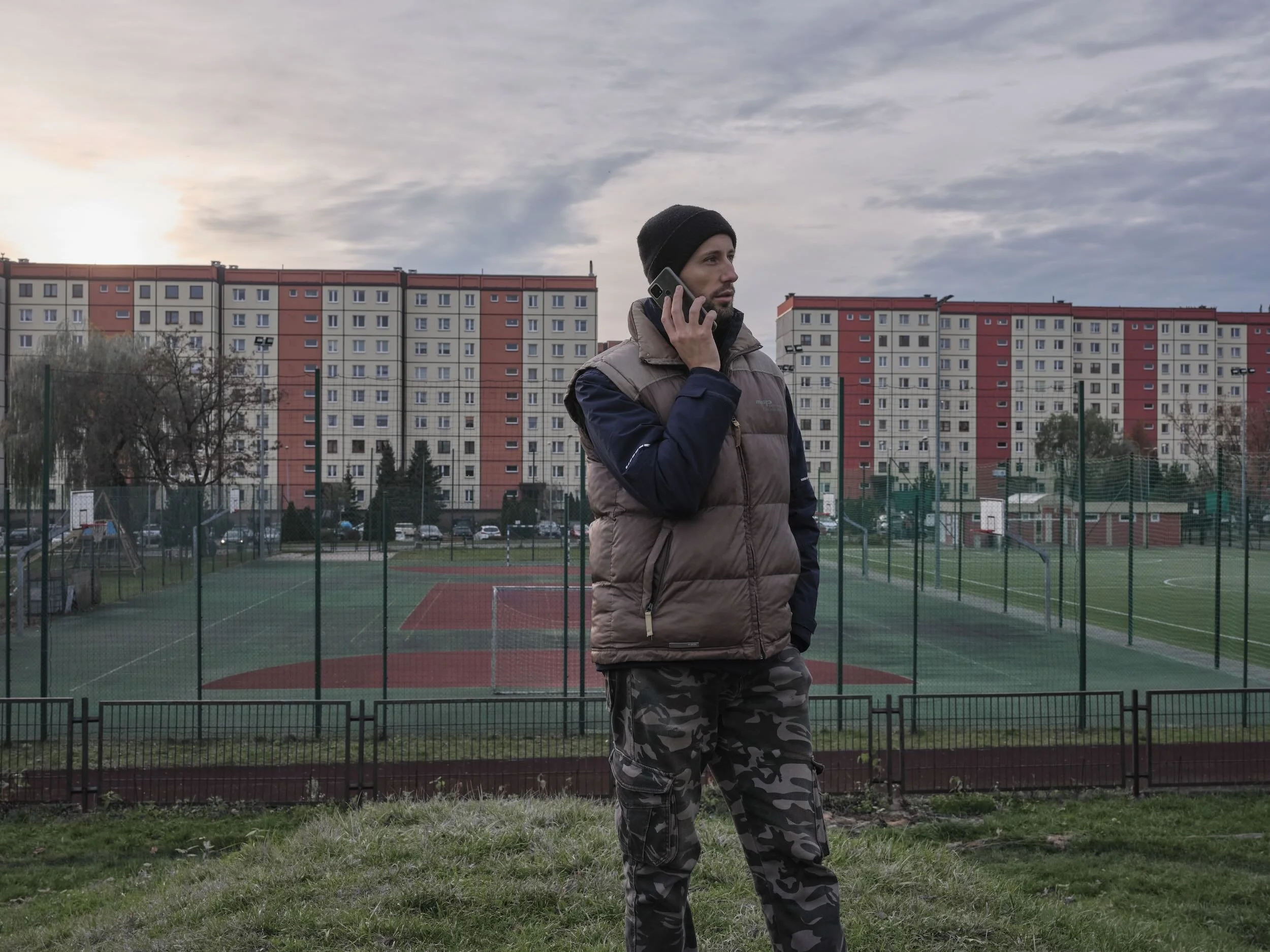
I met Volodymyr in November 2022 in Dąbrowa Górnicza, south-western Poland, a major steel-industry and former mining region. He holds dual citizenship, allowing him to travel between Ukraine and Poland without restrictions — a freedom most Ukrainian men his age no longer have. The imposition of martial law in Ukraine on 24 February 2022 prohibits male Ukrainians aged 18 to 60 from travelling abroad.
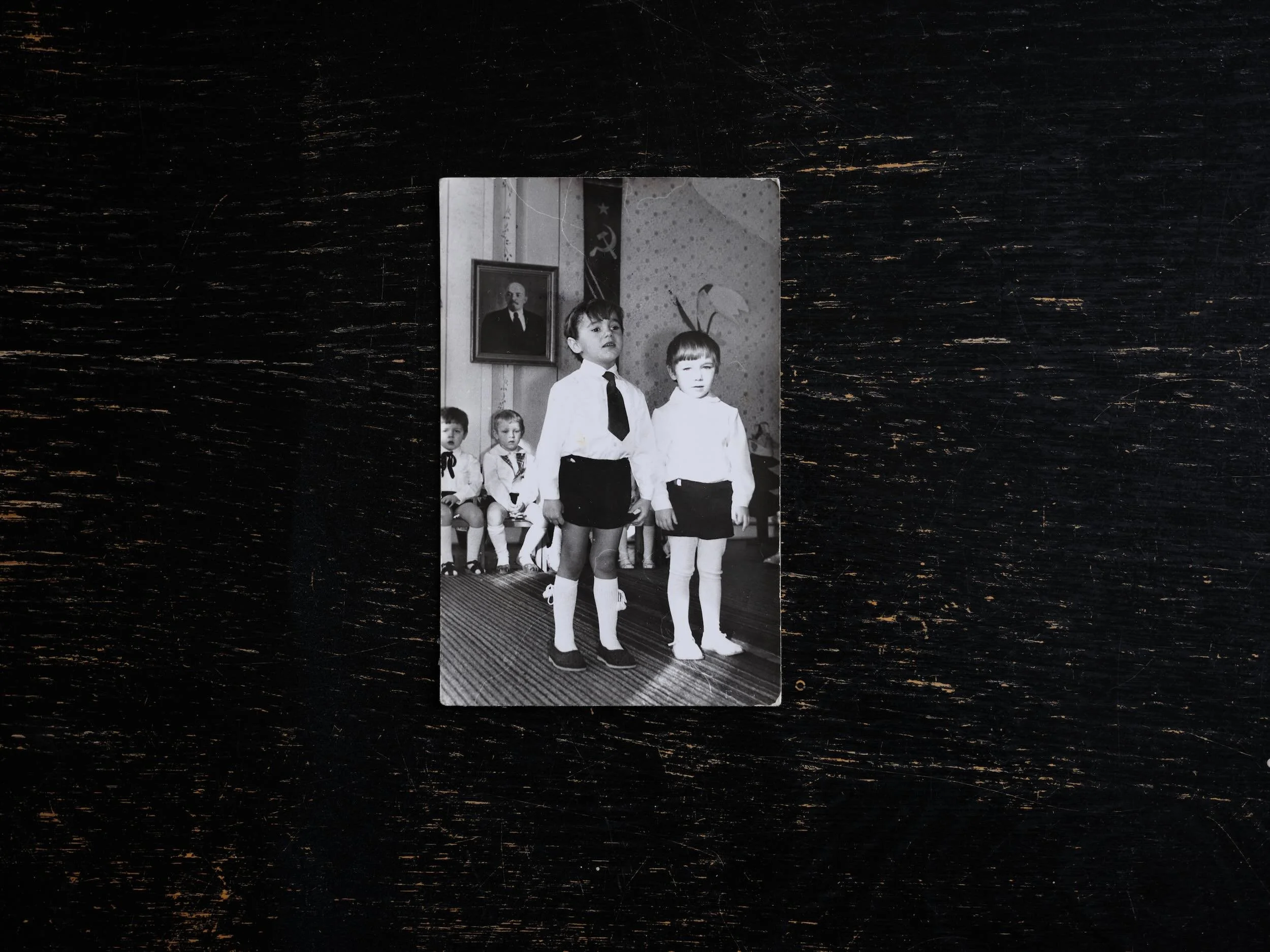
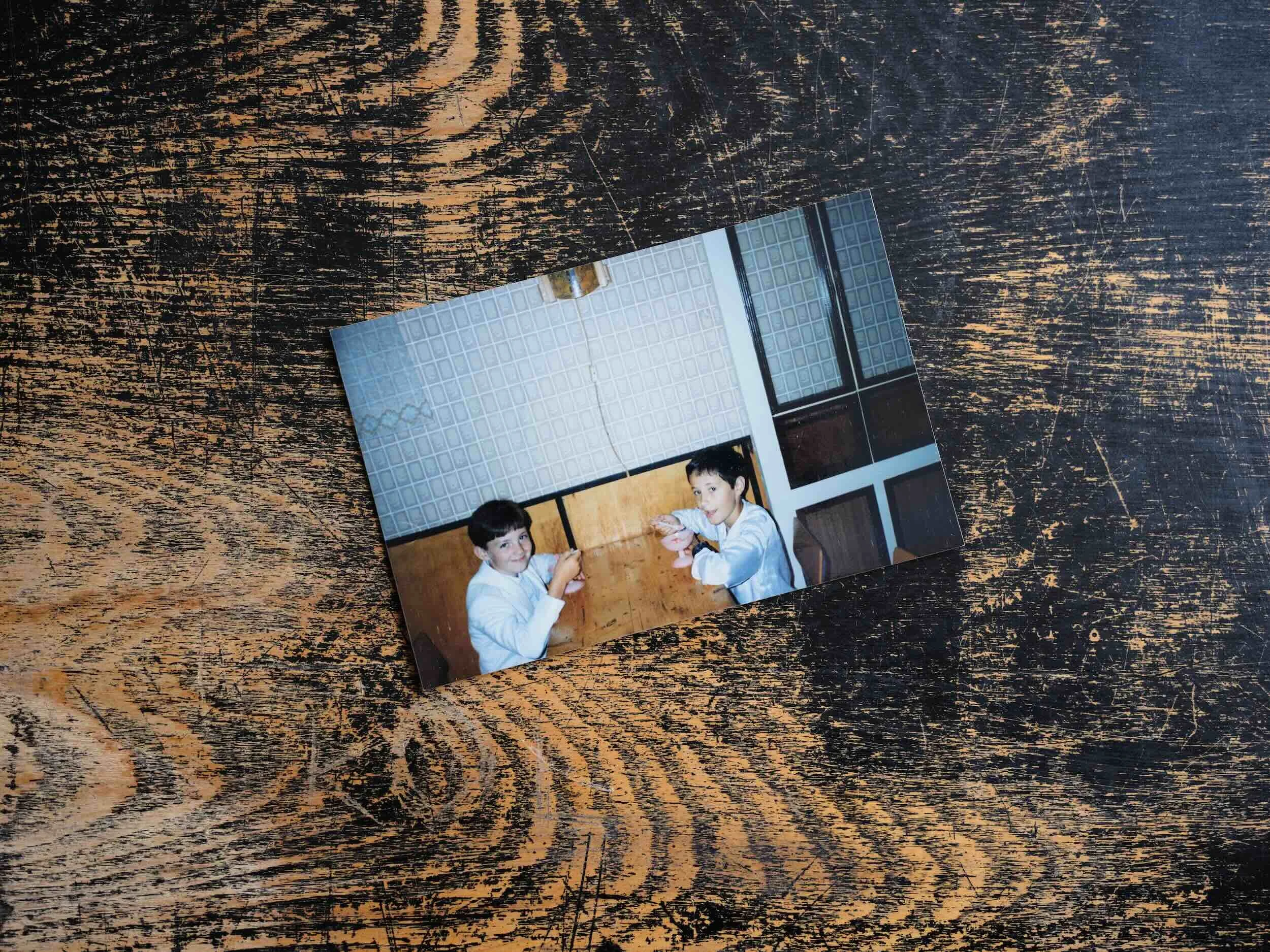
He became an economic migrant early in his life. His mother moved back and forth between Ukraine and Poland several times while her two sons were children. For Volodymyr, it is hard to tell whether he is Ukrainian or Polish. He speaks both languages perfectly; he was born in Ukraine, but he thinks in Polish. In adulthood, he never settled outside Poland or Ukraine for long—not in England, Germany, or the Netherlands, where he worked temporarily.
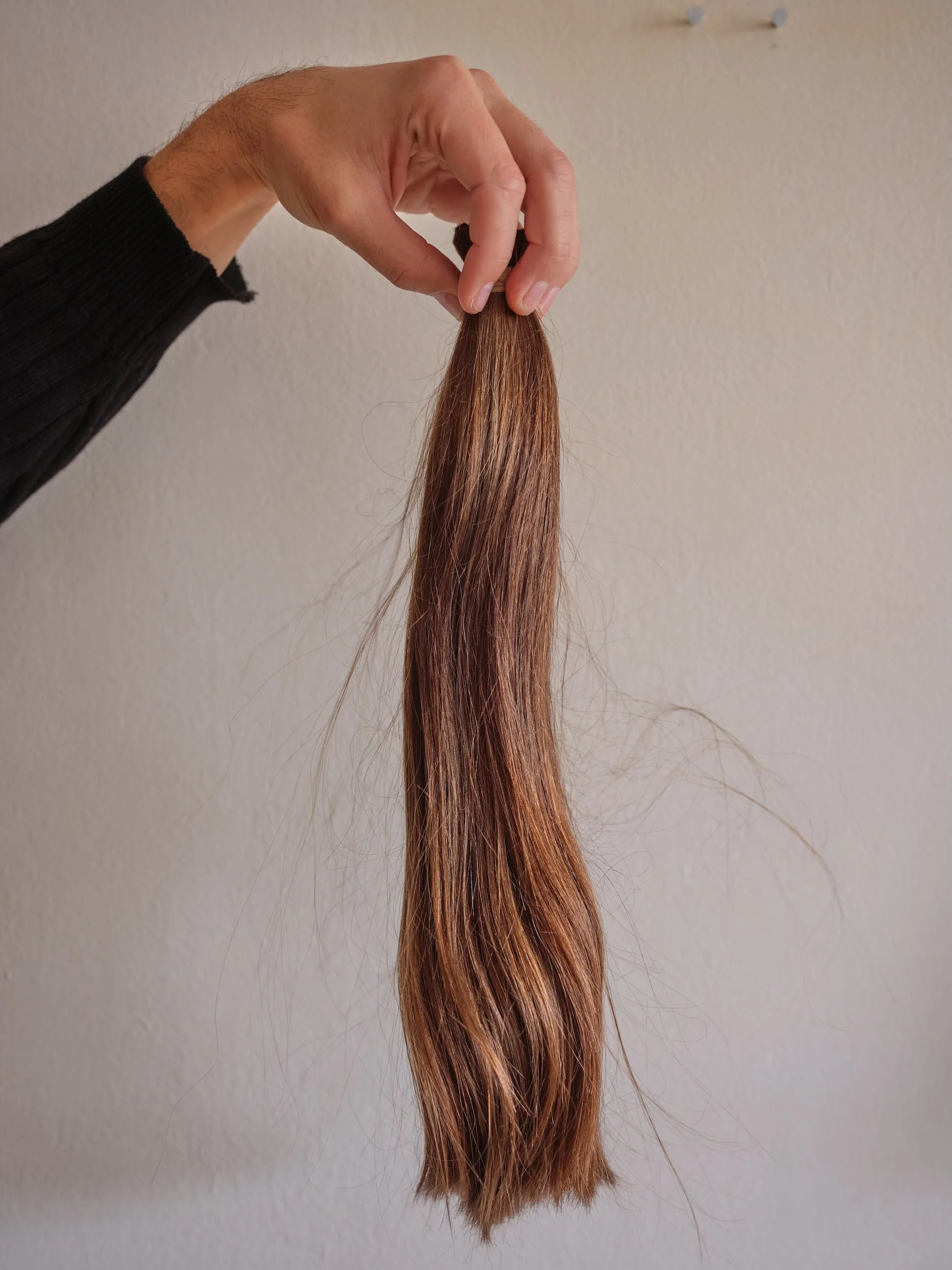
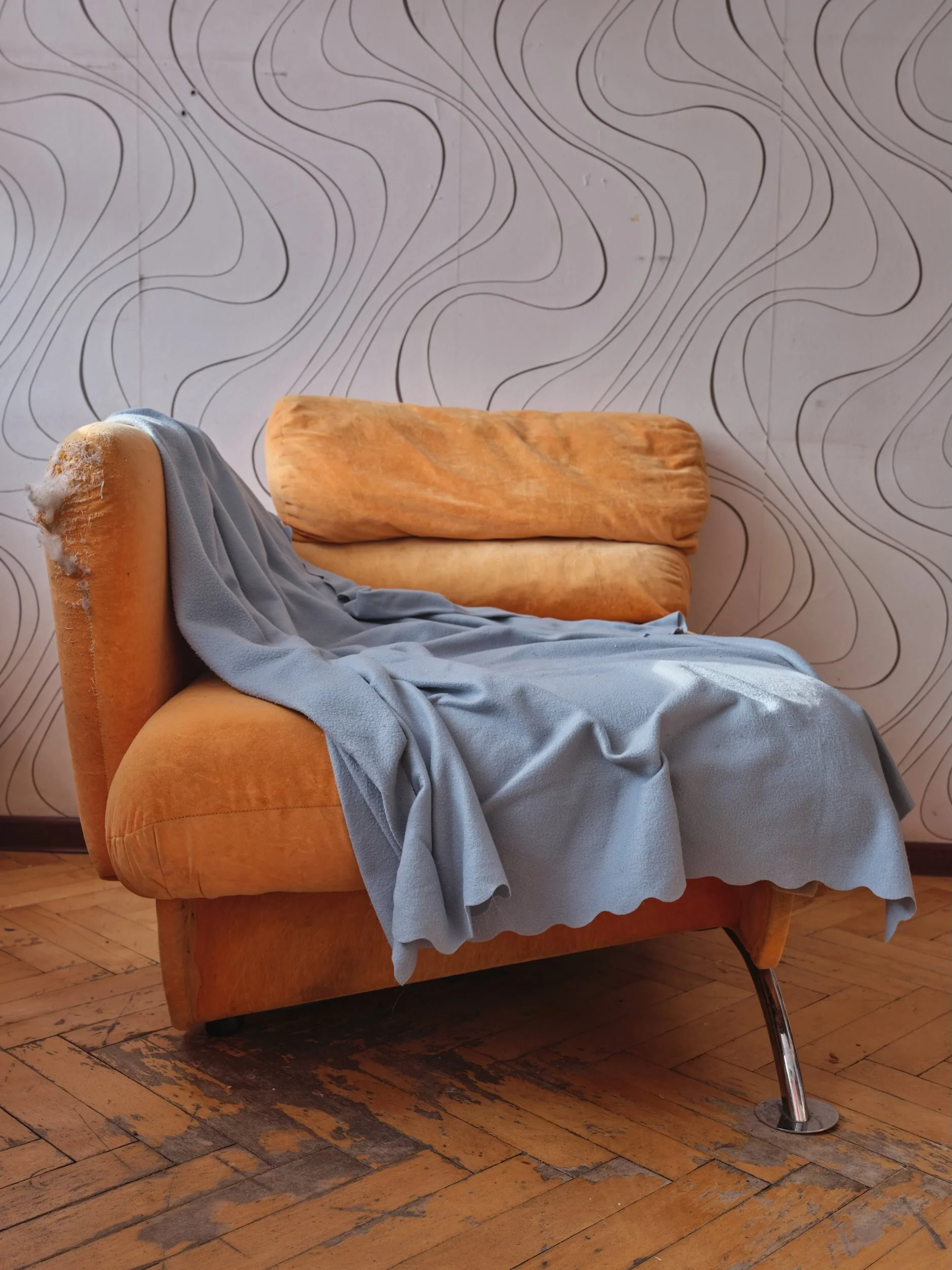
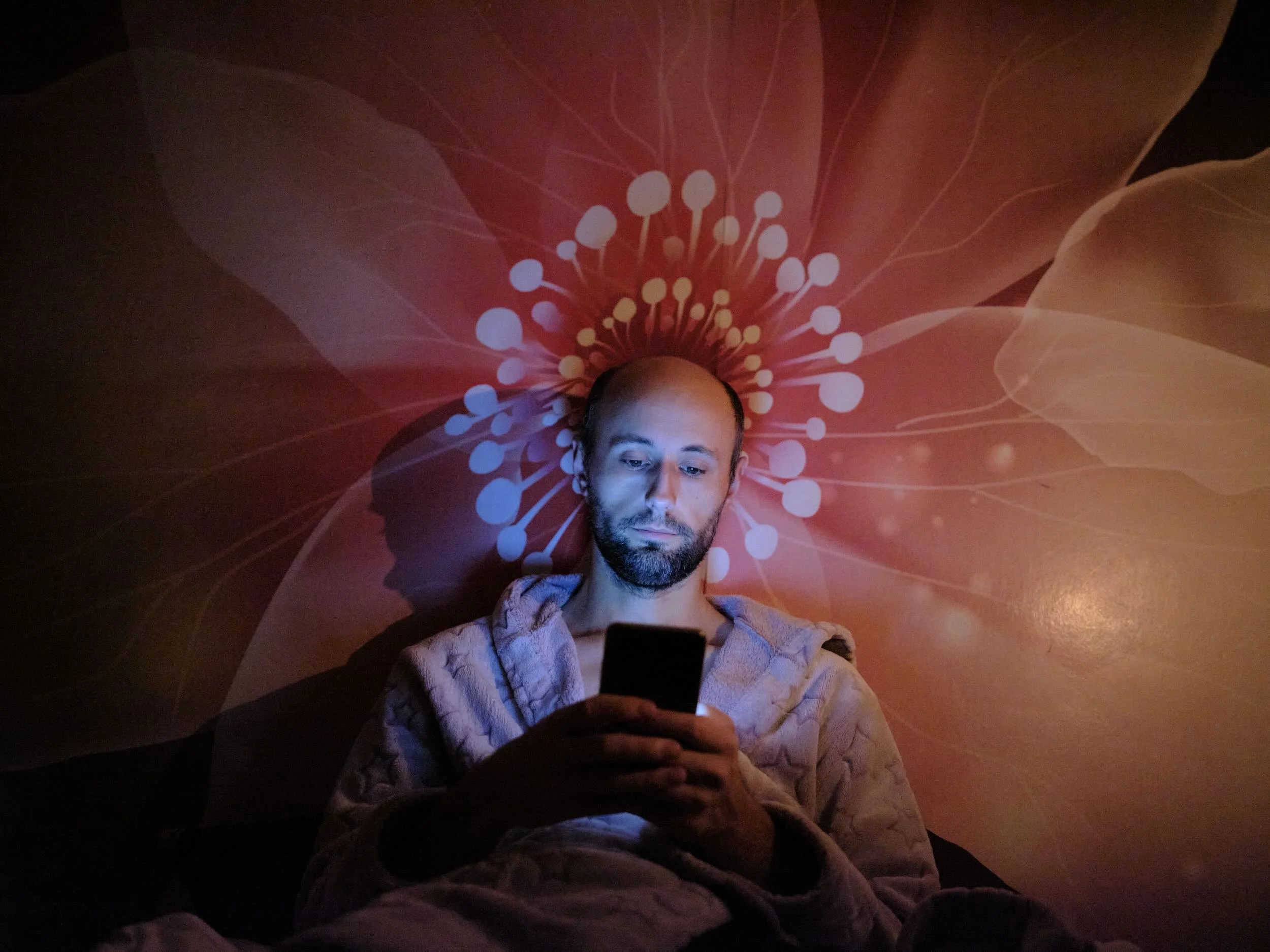
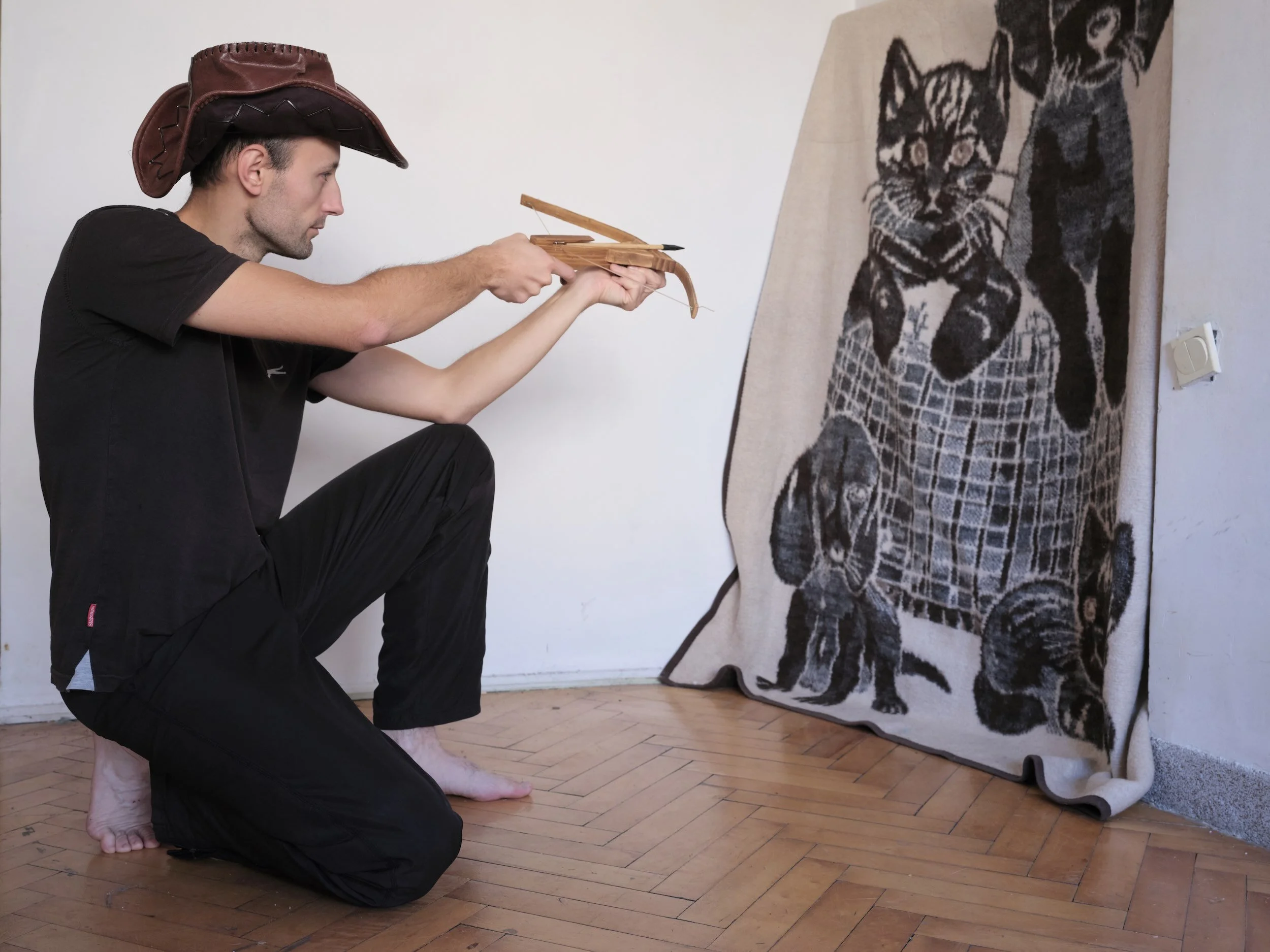
Boredom brings him all sorts of ideas — for making money or just for "solving" a problem on the spot. He once decided to cut off and sell his wife's hair braid, only to realise they wouldn't get much for it, so he kept it. When I told him I was allergic to cats, he spread out a blanket printed with cats and said, "Let me sort it."
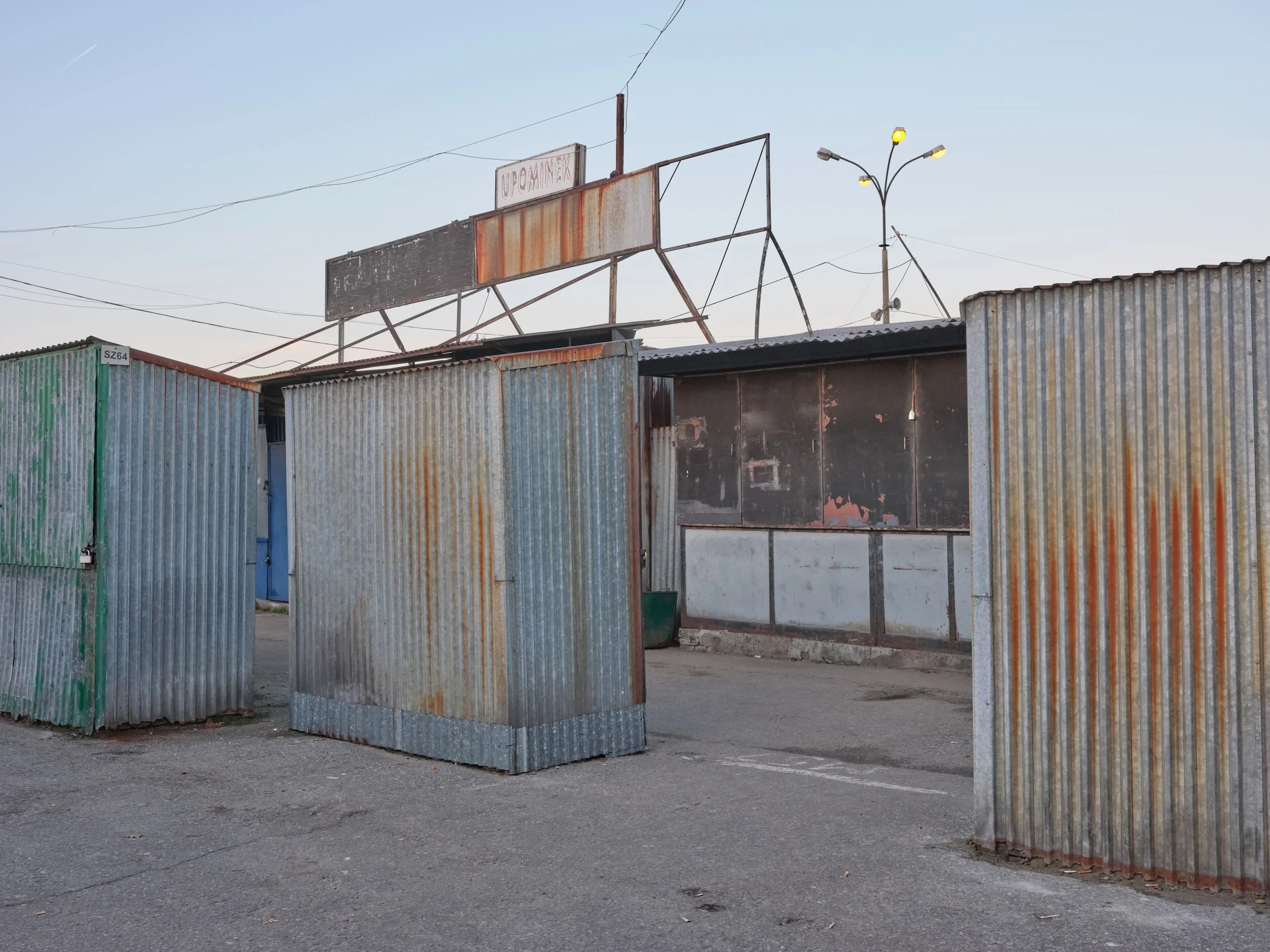
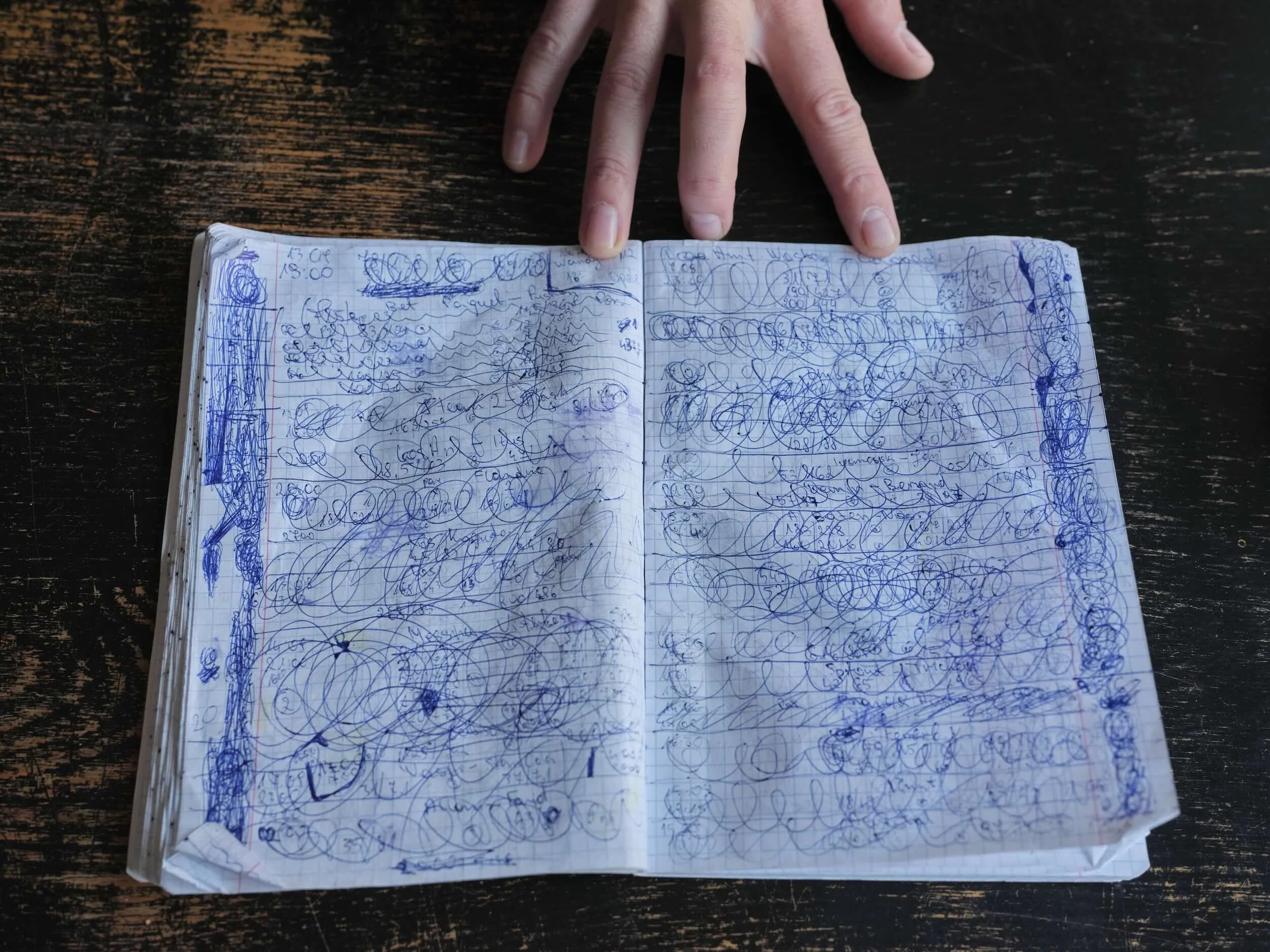
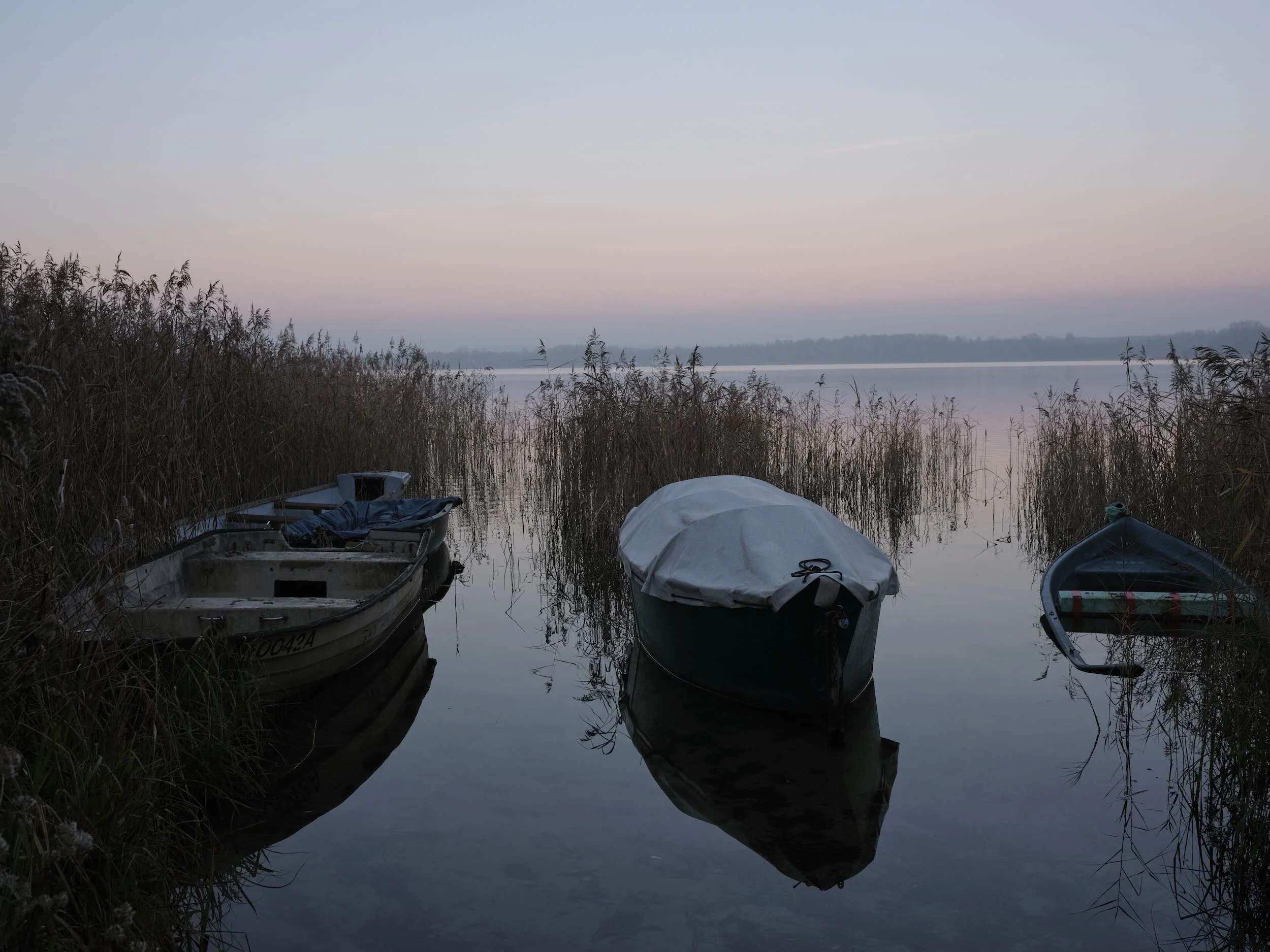
His never-ending struggle with money largely determines his life. He used to fish and sell whatever he could at the local market to pay bills and put food on the table. Now he spends about six months each year — through autumn and winter — working abroad, then returns to his Ukrainian home for spring and summer, where he stays with his wife and son. He is not particularly persistent at work. He gets bored easily and doesn't like working for anyone. I stopped looking suspiciously at people like him after I met someone I once worked with—just as terrible an employee—who went on to open a few successful businesses. Volodymyr has the same spark. He is exhausted and sinking when he thinks about a long-term job, but comes alive the moment business is mentioned. There is regret in his voice, and a sense that time is eating away at his life.
His dream is to own a piece of land where he could build a home. But, to buy land in Ukraine, he says, he would need to keep working in the West, since working in Ukraine would only give him a subsistence-level income. After the European Union extended to the ex-Soviet countries and opened its job market, the West allured large numbers of Eastern European citizens with its purchasing power. Few were drawn by its culture, customs, or conventions — that came later, if at all, and was often the very reason for an eventual return home.
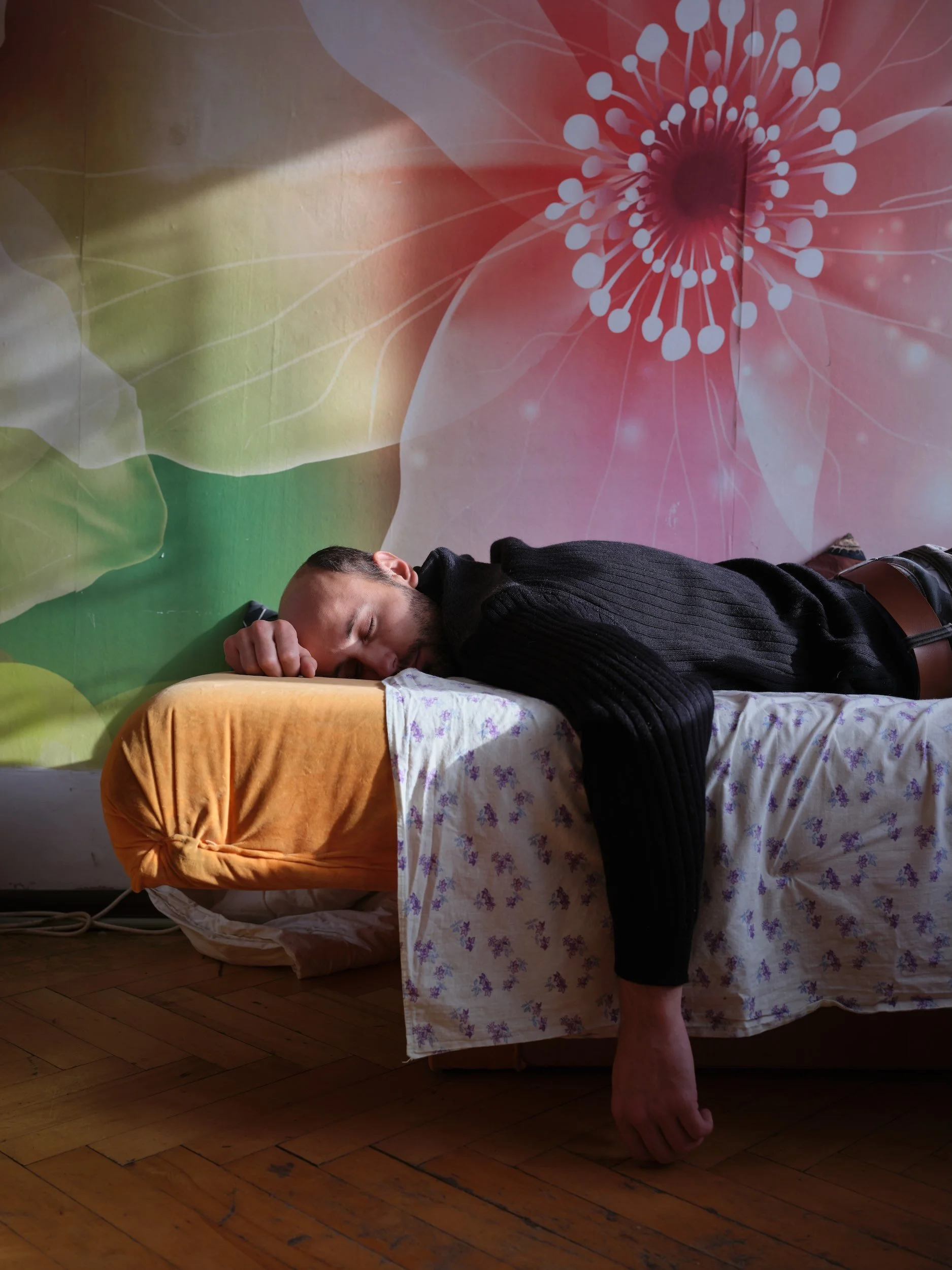
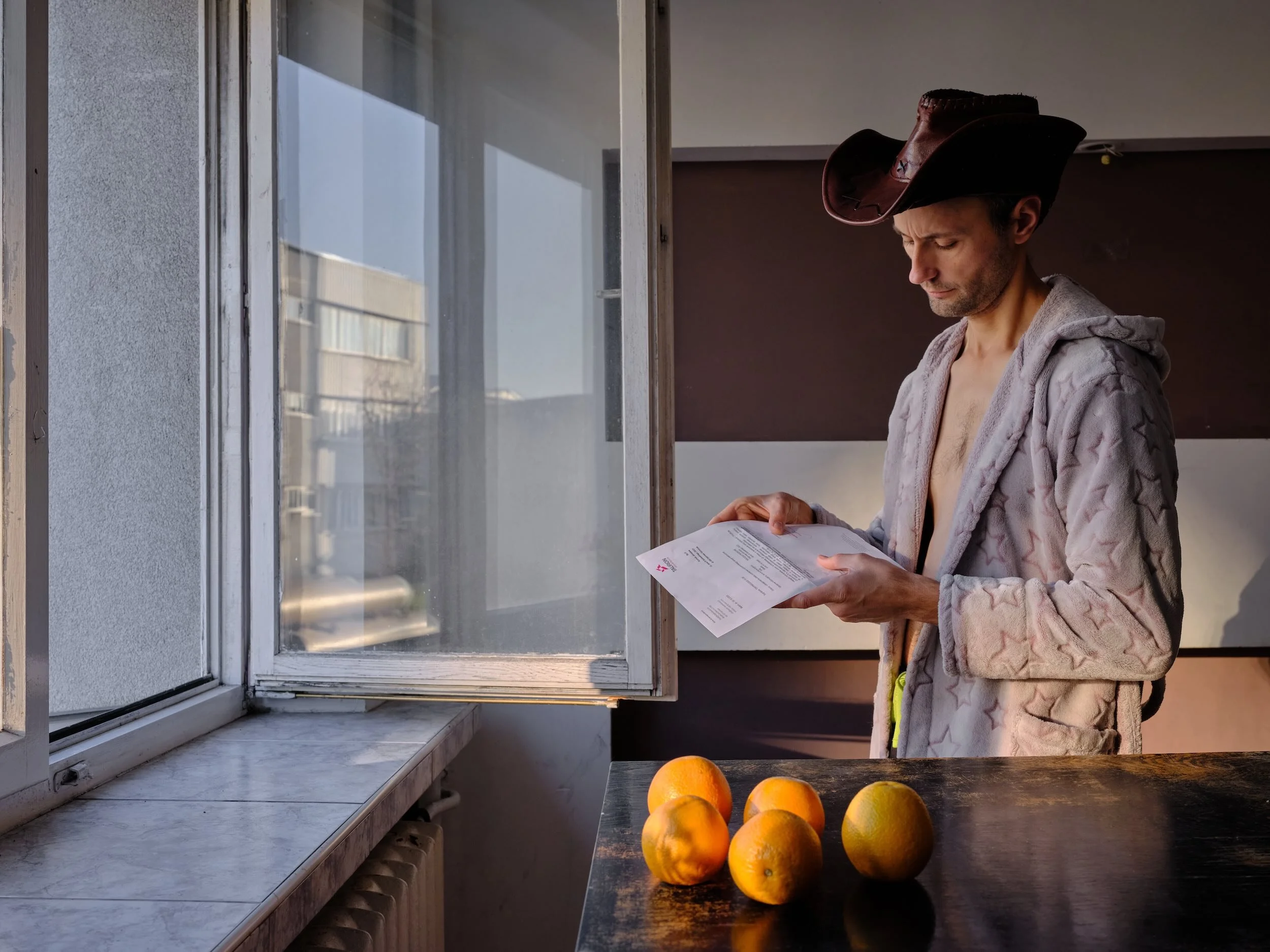
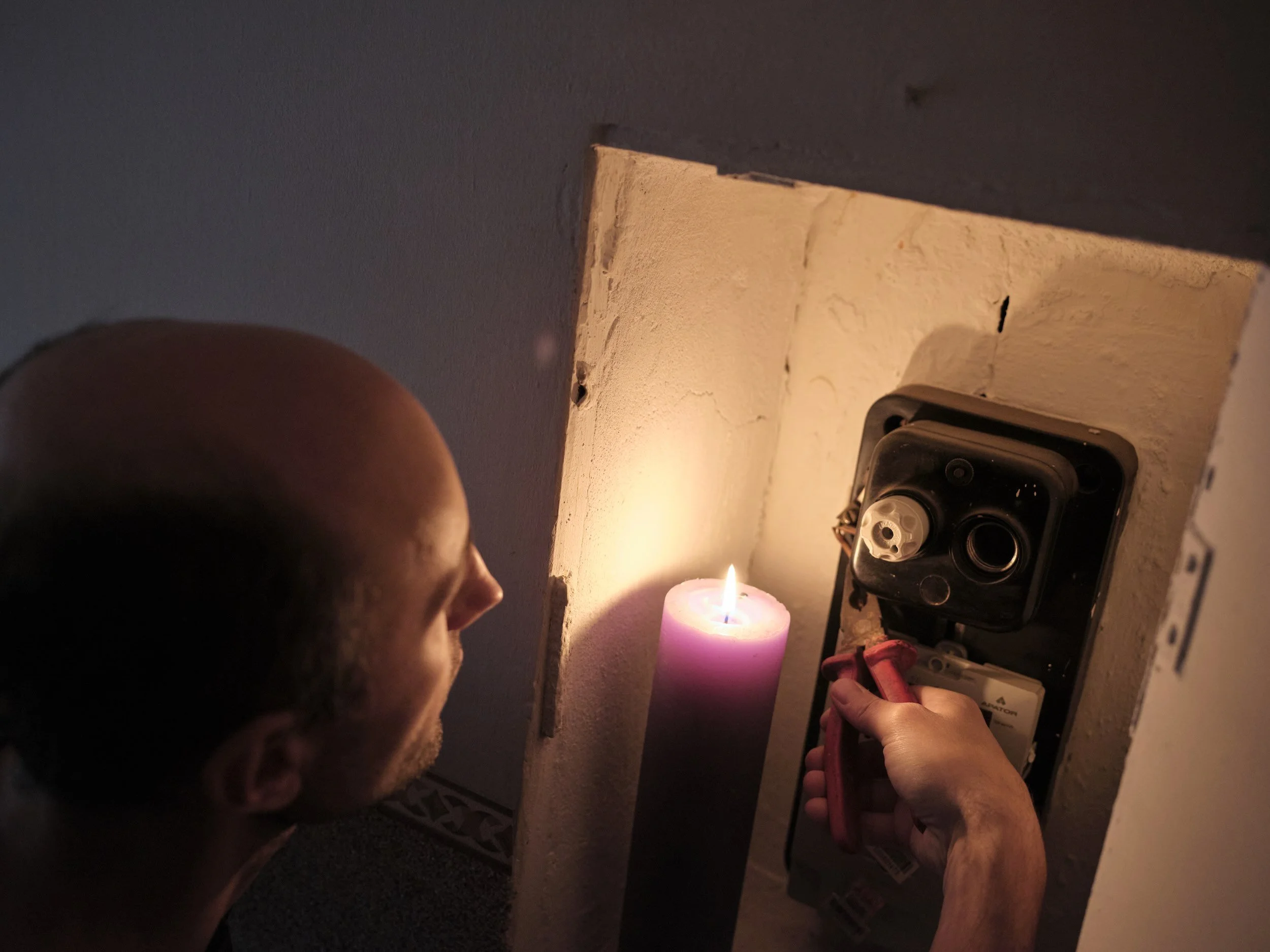
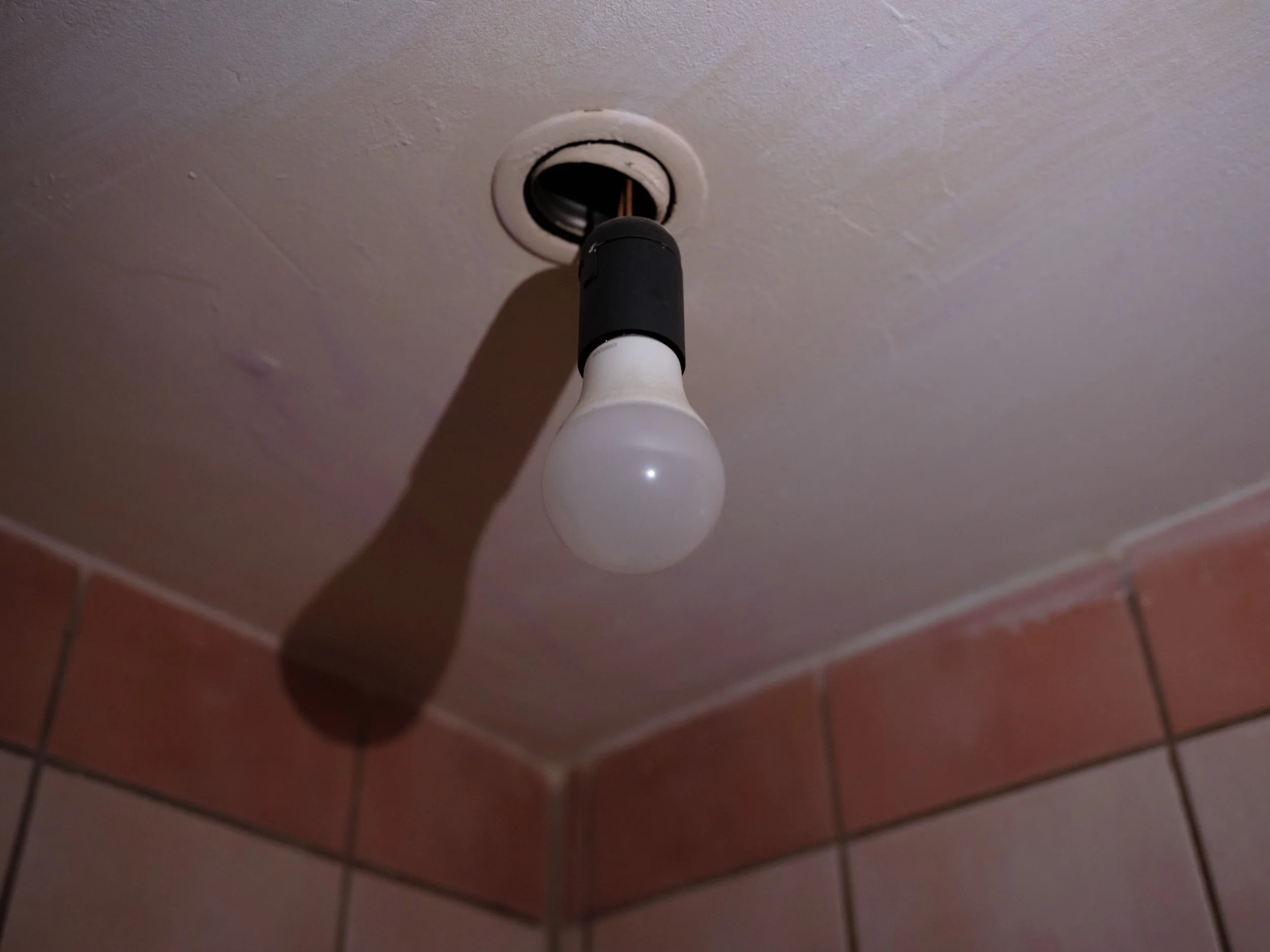
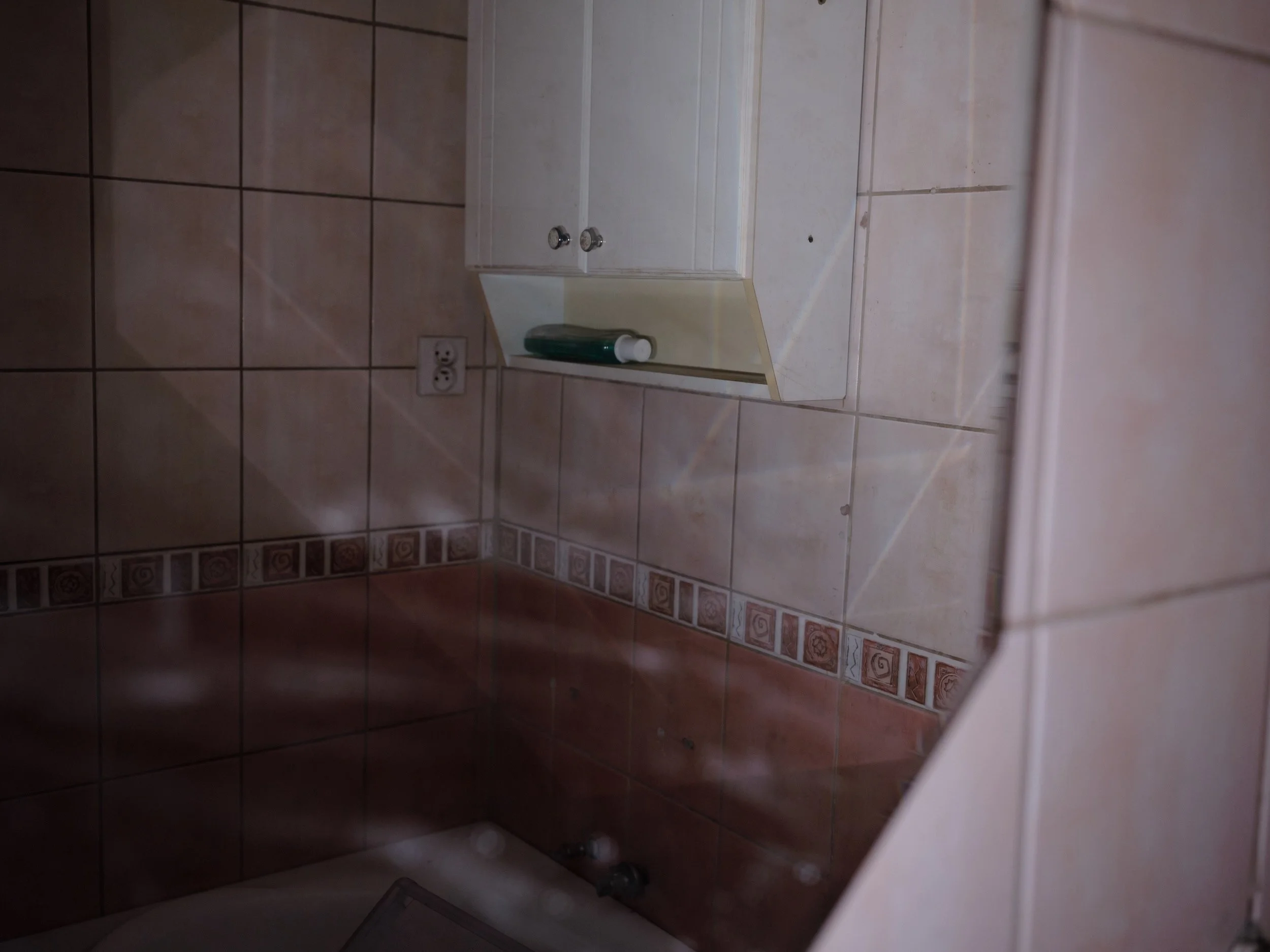
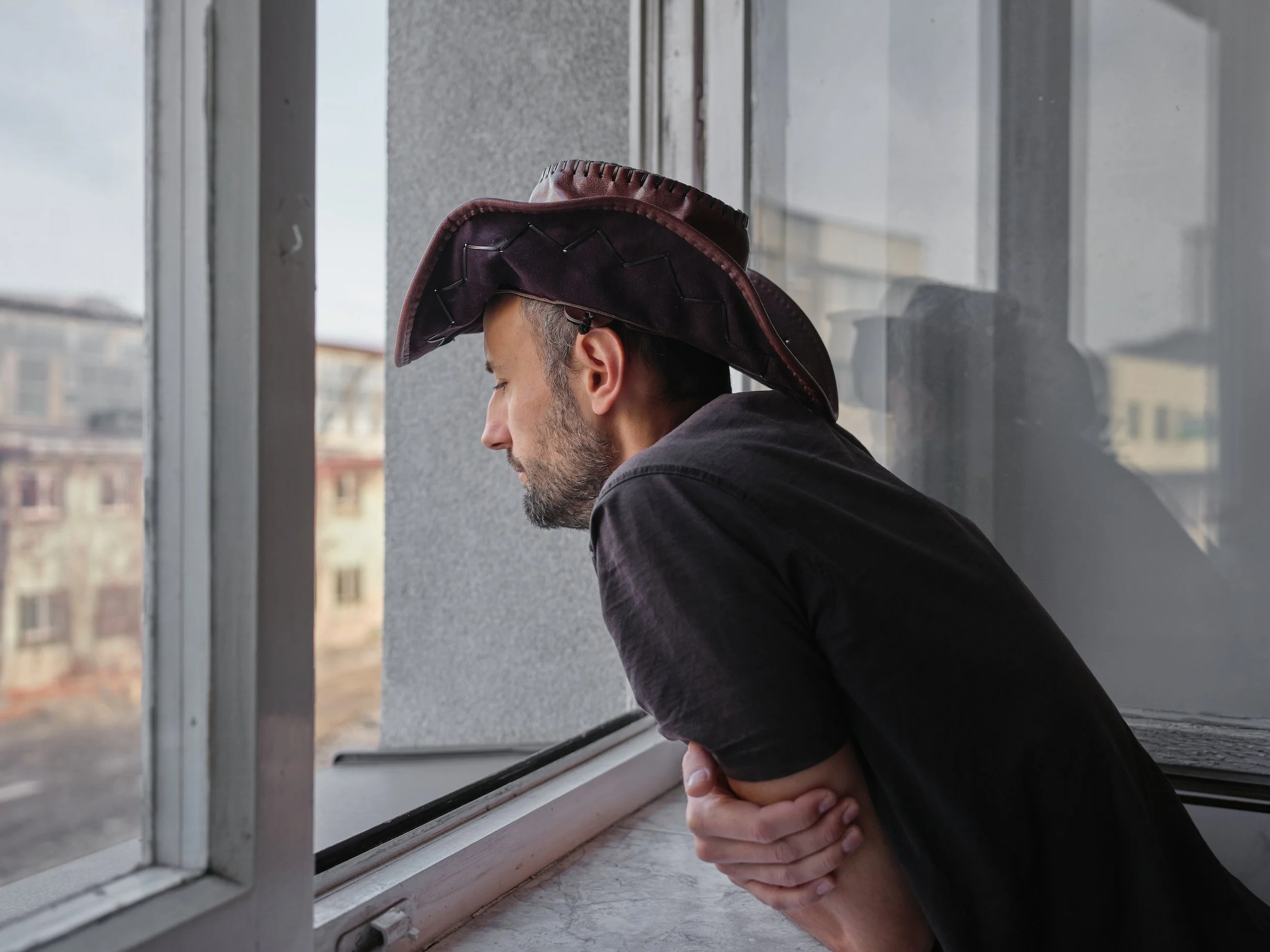
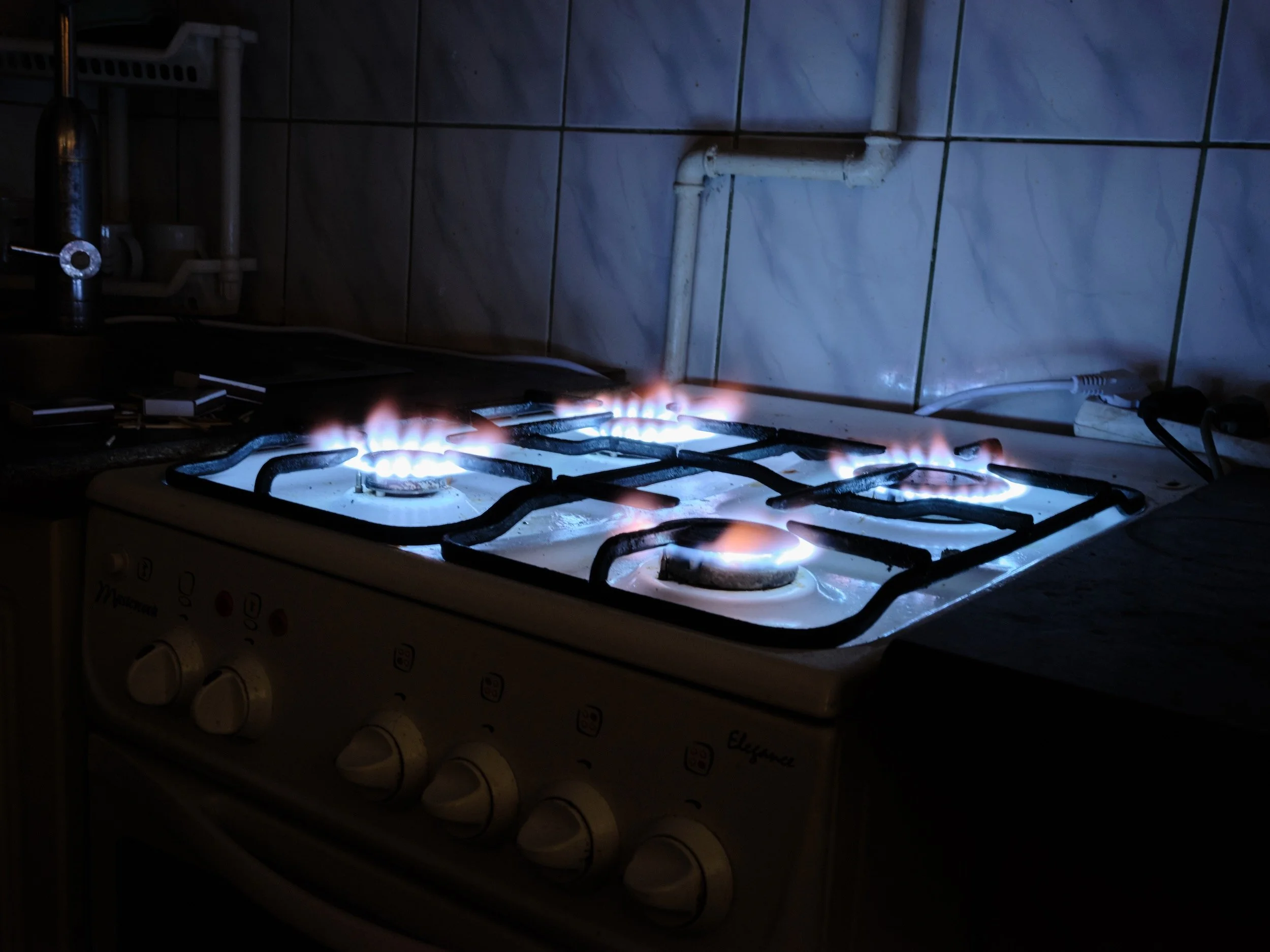
After his mother passed away last year, Volodymyr shared a flat with his older brother in Dąbrowa Górnicza, their Polish point of call. The living room was his older brother’s, who lived there with his wife and child. Volodymyr kept one of the bedrooms, where he lived alone, sometimes joined by his wife — a native Ukrainian — and their son, who visited from across the border. Only once Volodymyr began telling me about the divided apartment did I understand how strained things were between the brothers. Siblings seem innocent when they are kids. When they grow up, they can become enemies. Volodymyr returned from his summer break in Ukraine to Poland with his wife — their son stayed behind with his grandmother — planning to spend some time together in the apartment before he left for work in Germany and she returned home. When they arrived, they found that his brother had left the apartment because the suppliers had cut off the electricity and heating after the bills went unpaid, leaving a freezer full of meat to rot. The couple stayed on for over a month. First they cleaned up the mess; then Volodymyr went looking for work again. Eventually he set off for Germany, and his wife went back to Ukraine.